
Scroll-Stopping Motion: When a Loop Beats a Still (and When It Does Not)
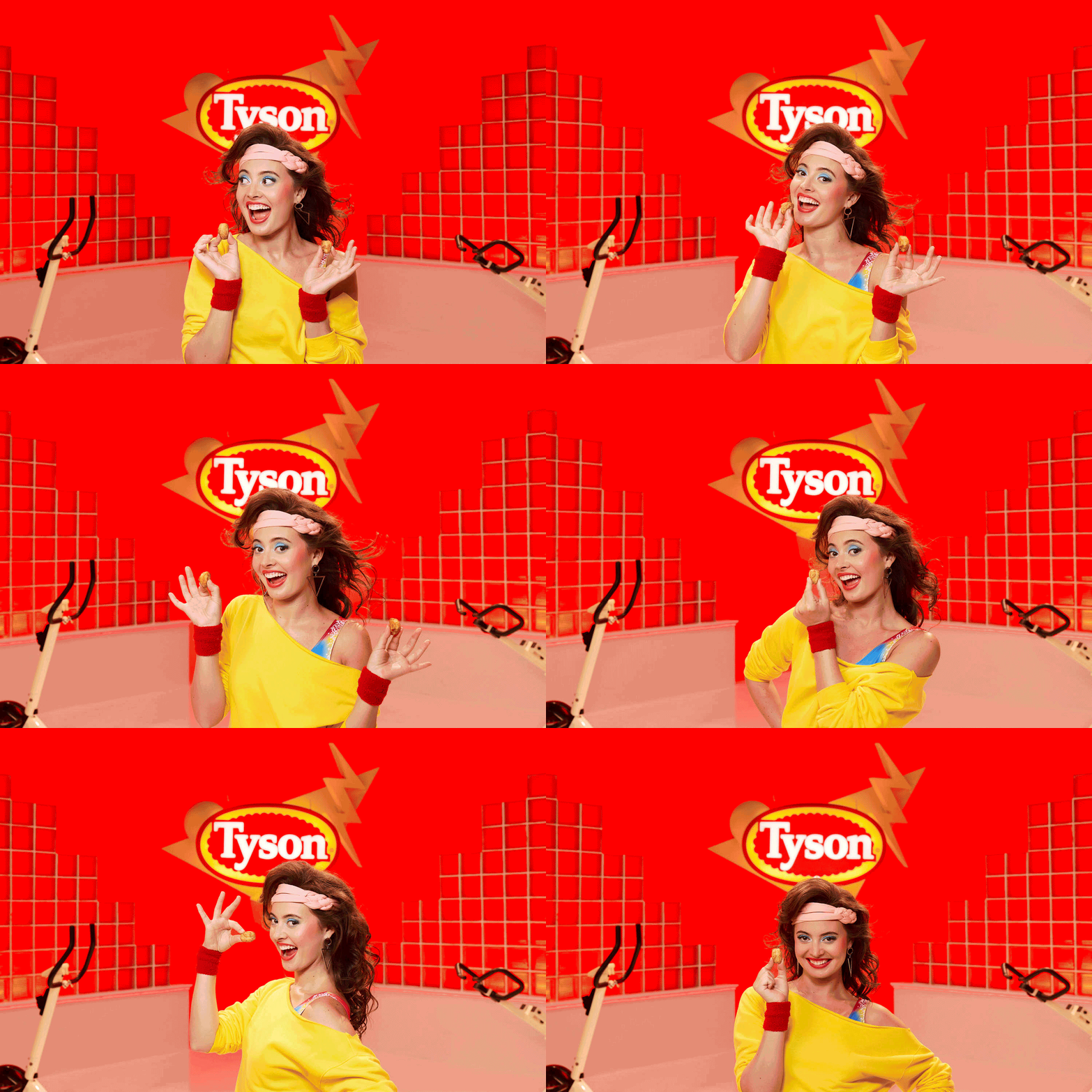
Watch someone scroll a feed sometime. Really watch. The thumb never stops moving, except for the half second it does, and that half second is the whole game. Everything we build for social and retail media is a fight for that pause.
For a long time the answer was a better still. Sharper, brighter, more craveable. That still matters, and I will defend the hero frame to anyone. But a static image is fighting every other static image in the feed on the same terms. Motion changes the terms. A product that moves in a stream of things that do not move reads, to the eye, as the thing worth stopping for. The trick is knowing which kind of motion to use, because the options are not interchangeable.
The cinemagraph: a still that happens to breathe
A cinemagraph is most of a photograph with one element alive. Steam curling off a cup while everything else holds perfectly still. Condensation sliding down a can. A slow, endless pour that never empties. Bubbles rising in a glass that is otherwise frozen in time.
It works because of the contrast. Your eye expects a photo, gets a photo, and then notices one thing moving that should not be, and it cannot look away. There is something almost hypnotic about a good loop. It does not shout. It just quietly refuses to end.
Cinemagraphs are my favorite tool for premium brands, because they carry the polish of a still with a pull that a still cannot have. They feel considered rather than loud, which is exactly the register spirits, coffee, and elevated CPG want to live in.
Stop-motion: the one with a personality
Stop-motion is the opposite energy, and that is the point. Where a cinemagraph is smooth and hypnotic, stop-motion has a handmade rhythm, a little bounce, a sense that human hands moved every frame. Products assembling themselves. Ingredients marching into place. A package building piece by piece.
It reads as playful and crafted at the same time, which is a hard combination to fake. For food, for anything with personality, for a brand that wants to feel made by people rather than extruded by a machine, stop-motion does something no other format does. It is labor-intensive and it shows, in the best way. Audiences can feel the effort, even if they could not name why.
The static still is not going anywhere
Here is the part people skip when motion gets exciting: sometimes the still is the right answer, full stop.
A hero frame printed large on an endcap does not move. A product detail page wants a crisp, honest, high-resolution image a shopper can study. A print ad is a still by definition. When the job is to hold up large, to be studied, or to live somewhere motion simply cannot play, you want the single best frame, lit and styled to carry the whole thing alone.
Motion is a tool, not an upgrade. The question is never "still or motion," it is "what does this placement actually need." The feed and the retail media banner might want a loop. The shelf and the spec sheet want a frame. A good campaign usually wants both, which brings me to the part that matters most for planning.
Plan it as one set, not two projects
The expensive mistake I see is treating stills and motion as separate shoots, with separate crews and separate days, hoping they end up looking like they belong to the same brand. They rarely do, and the seams show.
Because I direct as well as shoot, the cinemagraph, the stop-motion, and the static hero can come from one set, one lighting setup, one creative vision. The loop that stops the thumb in the feed and the frame that anchors the endcap look like siblings because they are. You plan the motion and the still together, capture them in the same session, and walk away with a library that holds its look from the shelf to the paid feed to the product page.
That is the work across a lot of the brands I shoot: beverage, food, and product that has to move on social and sit still on a shelf, often from the same afternoon.
The takeaway
Motion stops the thumb because it breaks the pattern of a still feed, but the format has to match the job. Reach for a cinemagraph when you want quiet, premium pull. Reach for stop-motion when you want craft and personality. Keep the static hero for the placements that are built to hold a single frame. And whatever the mix, plan the stills and the motion as one set so they actually look like one brand.
If you have social or retail media work coming up and you are weighing how much of it should move, I would love to talk it through. Choosing the right format is half the win.
Knoxy Knox is a product photographer and director based in Austin, TX, available nationally and internationally.